


The SBA Just Recognized Content Creators as Small Businesses. Here's What Adult Creators Can Actually Do With That News.
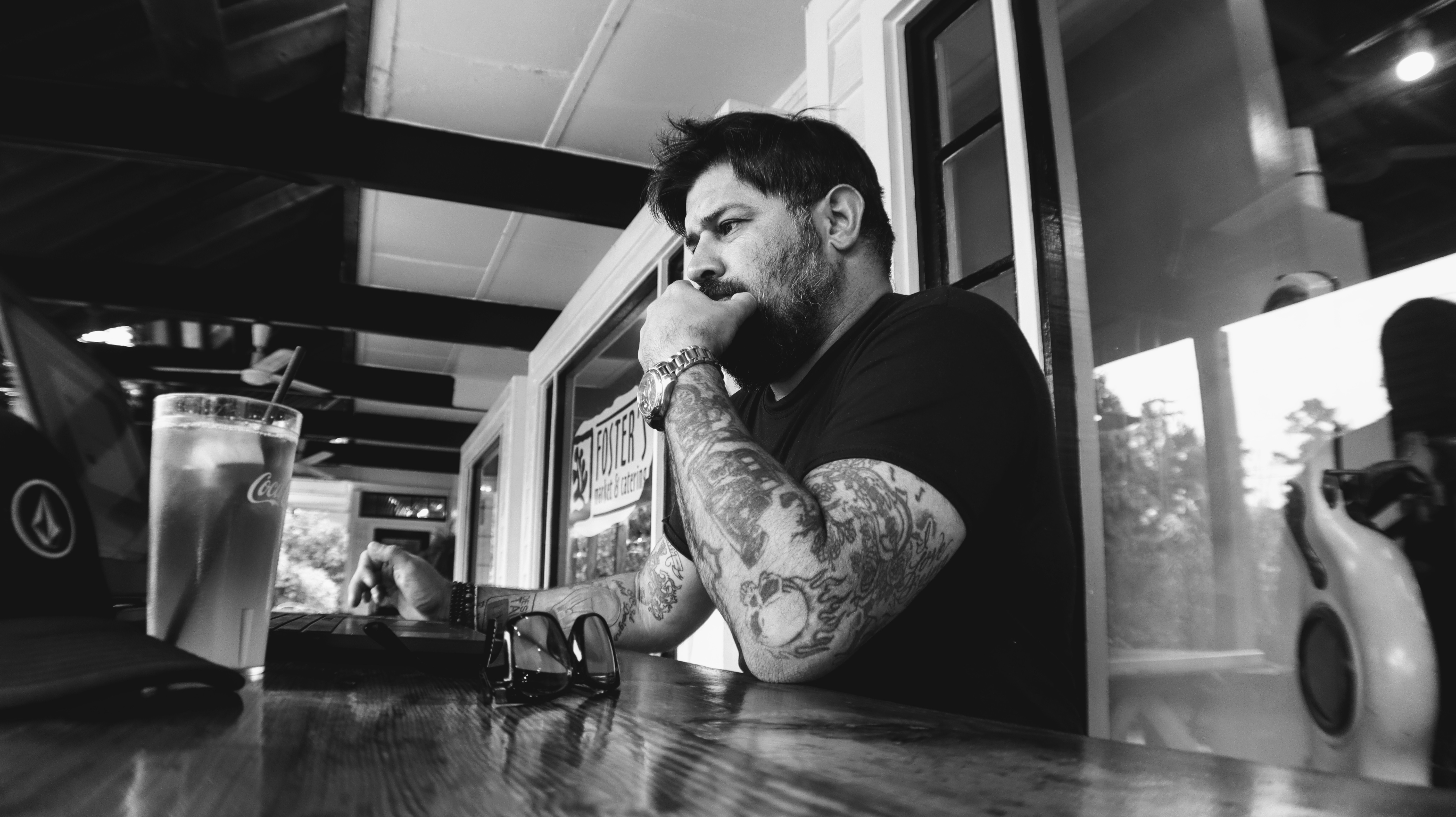

The U.S. government has issued historic guidance recognizing the creator economy. But does it help OnlyFans, Fansly, and other adult creators access financing, build businesses, and grow? The answer is more complicated than the headlines suggest.
October 17, 2026 | Sxgram Newsletter - For years, content creators have been building businesses that look remarkably similar to traditional media companies. They produce original videos, manage subscribers, sell advertising, negotiate sponsorships, purchase equipment, and develop intellectual property that generates revenue. Yet many creators still think of themselves primarily as people who make content rather than entrepreneurs operating legitimate businesses. A new announcement from the United States Small Business Administration may help change that perception.
On October 15, 2026, the SBA issued guidance explicitly recognizing qualifying content creators within its federal small-business classification framework. The announcement references approximately 27 million creator-led businesses across the United States and identifies an existing industry classification that can apply to certain digital media businesses. It also highlights opportunities for qualifying creators to explore SBA-backed financing and other small-business resources. For creators who have never considered government-supported business programs, this could be an important introduction to a much larger world of entrepreneurship.
But there's a complication that deserves particular attention within the adult creator economy. While the announcement recognizes certain creator businesses, it does not eliminate existing federal restrictions affecting some sexually oriented businesses. That means a YouTuber producing cooking tutorials and an OnlyFans creator producing explicit entertainment may operate similarly structured businesses while facing different eligibility outcomes. Understanding that distinction is essential before assuming this announcement opens the same financial opportunities to everyone.
The good news is that SBA financing isn't the only opportunity worth considering. Adult creators can use this moment to become more informed about business classification, financial documentation, professional services, revenue diversification, and long-term growth. Even when a particular creator cannot qualify for an SBA-backed loan, understanding the broader business landscape can help them make better decisions. The real opportunity may be learning to operate more effectively as an entrepreneur rather than simply celebrating a new government classification.
What Did the SBA Actually Announce?
The SBA's October 15 announcement identifies NAICS 5121, Motion Picture and Video Industries, as an appropriate starting point for qualifying creator-led businesses whose primary activities involve audiovisual content. NAICS stands for the North American Industry Classification System, which government agencies use to categorize businesses according to their economic activities. The SBA specifically referenced filmmakers, video producers, podcasters, streamers, gamers, digital publishers, social media entrepreneurs, and creative agencies among the businesses potentially covered by its guidance. Creators must still identify the applicable six-digit NAICS code that most accurately reflects their principal business activity.
The distinction matters because a business classification helps describe what a company does, but it does not automatically establish eligibility for financing. The SBA acknowledged that creator businesses could already qualify for its programs when they met the relevant requirements, meaning the announcement is primarily a clarification rather than the creation of an entirely new lending program. It also does not mean that every business earning money from social media should use the same industry code. A creator selling physical merchandise, providing consulting services, or operating a software company may need to consider a different classification based on the nature of the business.
The agency also announced that it is considering comments requesting a dedicated industry exception for content creators as part of its proposed changes to small-business size standards. The public comment period is scheduled to close on November 20, 2026, after which the SBA will evaluate the feedback it has received. A dedicated exception could eventually provide additional clarity for creator-led businesses, but it has not yet been finalized. Importantly, the proposed classification changes are separate from the existing restrictions governing certain sexually oriented businesses.
What Financial Opportunities Could This Create?
The SBA supports financing programs that help eligible small businesses obtain capital through participating lenders. Its Microloan program offers loans of up to $50,000, while its primary 7(a) program can provide financing of up to $5 million for qualifying businesses. Depending on the program and approved use of funds, financing may support working capital, equipment purchases, expansion, and other legitimate business expenses. These programs existed before the October 15 announcement, but clearer classification guidance may encourage more creators to investigate them. <Cite refs={["turn782159search0","turn782159search11"]}/>
Consider a creator who has developed a successful educational podcast and wants to expand into professional video production. Financing could potentially help an eligible business purchase equipment, hire production support, or increase operating capacity without relying entirely on personal savings. A digital publisher might use approved financing to expand its operations, while a production company could invest in equipment needed to serve additional clients. Those are conventional business investments, even when the companies making them operate primarily online.
However, SBA-backed loans are not grants, and the announcement does not establish a new program that automatically distributes money to influencers. Applicants must satisfy applicable requirements, including business eligibility, creditworthiness, and the ability to repay borrowed funds. The SBA's 7(a) program generally works through participating lenders rather than issuing loans directly to borrowers. Creators should be cautious of advertisements promising guaranteed government funding simply because they have a social media account or registered a business.
Does This Include OnlyFans, Fansly, and Adult Content Creators?
This is where the announcement becomes more complicated, because the SBA's recognition of content creation does not override existing restrictions on certain sexually oriented businesses. Federal regulation 13 CFR § 120.110(p) excludes businesses presenting specified sexually oriented live performances or deriving more than a minimal amount of gross revenue from certain sexually oriented products, services, or depictions. The restriction can apply even when the business operates legally, reports its income, and otherwise resembles a conventional digital media company. Nothing in the October 15 guidance announces a change to that exclusion. <Cite ref="turn801207search1"/>
For creators whose primary revenue comes from explicit adult entertainment, this creates a significant potential barrier to SBA-backed financing. A creator might produce original videos, maintain subscriptions, purchase equipment, and generate substantial revenue without satisfying the SBA's industry eligibility requirements. Registering an LLC, obtaining a business license, or choosing a particular NAICS classification does not automatically eliminate that restriction. The underlying activities and sources of revenue remain important.
At the same time, using OnlyFans or Fansly does not necessarily mean every business activity falls within the exclusion. Subscription platforms can support different kinds of content, including non-explicit fitness, lifestyle, educational, and entertainment material. A creator producing non-explicit instructional videos may present a different eligibility question from someone whose business centers on explicit adult entertainment. The platform's name alone is not a substitute for examining the actual activities and revenue of the applicant.
The distinction can become even more complicated for creators who operate several revenue streams. Someone might earn money from explicit subscriptions, mainstream sponsorships, educational content, affiliate commissions, and professional services. Because the regulation considers certain direct and indirect revenue, combining those activities does not automatically make the business eligible. Creators with mixed business models should seek qualified guidance about their specific circumstances rather than assuming that non-explicit revenue cancels out otherwise restricted activities.

Which Adult-Industry Businesses Might Have More Opportunities?
The adult creator economy includes considerably more than people producing explicit entertainment, and this distinction is often overlooked. Photographers, editors, podcast producers, software developers, marketing agencies, educators, and publishers all participate in an ecosystem that supports content creation. Some of these businesses produce non-explicit media or provide services that may fall outside the SBA's sexually oriented business exclusion. Their eligibility still depends on the actual services provided, revenue sources, applicable program requirements, and other business characteristics.
A photographer producing commercial portraits, for example, may have a different business profile from a company selling explicit videos. A podcast producer creating non-explicit interviews about relationships or sexual wellness may also differ from a business distributing sexually explicit entertainment. Likewise, a digital publication covering adult-industry entrepreneurship is not necessarily engaged in the same activities as the businesses it reports on. These distinctions may matter when evaluating business classifications and financial eligibility.
Sex educators and sexual wellness professionals should be especially careful not to assume that discussing sexuality automatically makes their businesses ineligible. Educational subject matter is not necessarily equivalent to the prurient content described in the federal regulation, although the actual material and business activities still matter. A professional offering non-explicit educational services may have a different eligibility analysis from a company selling sexually explicit performances. This is an area where creators should obtain informed advice rather than relying on broad assumptions about the adult industry.
The same caution applies to agencies, technology companies, and service providers that work with adult creators. Serving an adult-industry client does not automatically establish that a business falls within the exclusion, but the regulation's reference to indirect revenue makes some arrangements more complicated. A marketing agency, software provider, or publisher should accurately describe its services and revenue rather than assume that being one step removed from explicit content resolves every eligibility question. Where the answer is uncertain, an experienced SBA lender or qualified adviser can help identify which rules require closer examination.
How Adult Creators Can Make This Announcement Work in Their Favor
Even when an SBA-backed loan is unavailable, this announcement provides an opportunity for adult creators to strengthen the foundations of their businesses. The most useful response is not to rush into an application or change how a business describes itself in hopes of qualifying. Instead, creators can use the increased attention on entrepreneurship to examine how they operate, document their income, manage expenses, and pursue growth. Those improvements can create value regardless of whether federal financing becomes available.
1. Start Treating Your Content as a Business
One of the most important things a creator can do is understand the difference between earning money and operating a financially sustainable business. Someone generating $5,000 in monthly subscriptions may feel successful, but that figure doesn't reveal how much remains after platform fees, equipment, marketing, contractors, taxes, and other expenses. Without accurate records, it's difficult to determine whether revenue is growing, which activities are profitable, or how much can safely be reinvested. Understanding those numbers is essential for making informed business decisions.
Creators should consider maintaining separate business financial records, tracking income by source, documenting legitimate expenses, and developing a basic operating budget. Depending on their circumstances, they may also benefit from consulting an accountant about business structure, taxes, and financial reporting. Proper documentation can help when approaching private lenders, negotiating commercial relationships, or evaluating future expansion opportunities. It also makes it easier to understand whether the business is actually becoming more profitable over time.
2. Understand Your Business Classification
The SBA's announcement creates a useful reason to investigate how your business is classified within the NAICS system. A creator producing and distributing original videos may fit within a motion-picture or video-related category, while someone primarily providing photography, marketing, consulting, or software services may belong elsewhere. Choosing an accurate classification can help describe the business consistently when dealing with financial institutions, government agencies, and commercial partners. However, the classification must reflect what the business genuinely does rather than whichever category appears most financially advantageous.
Creators operating multiple business activities should take particular care when identifying their principal source of revenue. Someone who earns most of their income from producing videos may have a different classification from someone who primarily provides marketing services to other creators. A business may also need to identify different activities for different reporting purposes, depending on the applicable requirements. Accurate records and professional advice can help prevent confusion when those distinctions matter.
3. Explore Business Education and Mentorship
One of the most overlooked aspects of the SBA is that its resources extend beyond lending. Through its network of partners, the agency supports business counseling, training, and mentorship opportunities, including Small Business Development Centers, SCORE mentors, and Women's Business Centers. These resources can help entrepreneurs learn about financial planning, marketing, business development, and other aspects of operating a company. Availability and eligibility can vary, so adult-industry professionals should ask providers directly which services they can access. <Cite ref="turn782159search3"/>
Even when a business cannot qualify for a particular SBA loan, it may still be able to benefit from educational materials or certain counseling resources. A creator who learns how to calculate operating costs, evaluate customer acquisition, or prepare financial projections gains knowledge that can be applied across many different business situations. Those skills can also help someone evaluate private financing offers more carefully and avoid taking on obligations they cannot afford. Business education is valuable even when no loan application is involved.
4. Build Revenue Streams Beyond a Single Platform
One of the greatest risks facing digital entrepreneurs is dependence on a single platform for both customer acquisition and revenue. A creator who relies entirely on OnlyFans, Fansly, Instagram, or another service may be vulnerable to policy changes, account restrictions, technical problems, and shifts in audience behavior. Developing additional legitimate revenue streams can help reduce that dependence and create more opportunities for long-term growth. The objective should be building a stronger business rather than simply opening accounts on more websites.
Depending on their skills and interests, creators might explore non-explicit educational products, photography services, podcasting, consulting, digital publishing, merchandise, or brand partnerships. These activities should be pursued because they offer genuine value to customers, not because a creator hopes to disguise otherwise restricted business revenue. Separate activities may require their own financial records, legal arrangements, or eligibility assessments, and creating another company does not automatically remove the SBA's indirect-revenue concerns. Revenue diversification is a sound business strategy when it is legitimate, properly documented, and economically worthwhile.
5. Build a Professional Identity Beyond Your Content
Creators often spend considerable time promoting individual posts without investing the same attention in their broader professional identities. A recognizable brand, clear business description, portfolio, professional relationships, and examples of completed work can help potential partners understand what someone offers beyond their latest upload. This becomes particularly important when approaching advertisers, collaborators, clients, or financial institutions unfamiliar with the creator economy. Professional presentation does not guarantee an opportunity, but it can make a business easier to understand and evaluate.
Digital publishing can play a role in that process by giving creators opportunities to explain their work, share their experiences, and demonstrate expertise. At Only Fans Insider Magazine, we use a contributor-driven interview model that allows creators and industry professionals to tell their stories in their own words. These stories can introduce the people behind the content and highlight the businesses, products, and professional knowledge they are developing. The objective is to help creators build visibility and credibility beyond the narrow context of a subscription profile.
6. Develop Relationships That Create Business Opportunities
A creator's professional network can become an important asset when pursuing partnerships, sponsorships, service contracts, and other business opportunities. Relationships with photographers, editors, educators, technology providers, publishers, and brands can introduce possibilities that might never emerge through an algorithmic social feed. Building those relationships requires more than collecting followers; it involves communication, collaboration, and understanding how each participant can create value for others. A strong professional network can be useful regardless of whether a creator qualifies for government-backed financing.
This is part of the philosophy behind Sxgram, a social platform developed to connect adults operating legal businesses through networking, publishing, podcasting, and opportunities for business discovery. The platform is intended to provide additional ways for creators and businesses to find one another, share their work, and explore collaborations. It does not replace financial planning, guarantee customers, or establish eligibility for SBA programs. Instead, it represents one approach to helping creators pursue the professional relationships and opportunities that can support business development.
7. Explore Private Financing Carefully
Creators who cannot qualify for SBA-backed lending may still want to investigate other forms of financing, depending on their business activities and financial circumstances. Traditional commercial loans, equipment financing, private investors, and other arrangements may be possibilities, although lenders and investors can impose their own restrictions on adult-oriented businesses. Some financing products also carry substantial costs, repayment obligations, or requirements that may not be appropriate for a creator's revenue patterns. The availability of financing should never be confused with whether accepting it is a good business decision.
Before borrowing, creators should understand the total cost of financing, repayment schedule, fees, security requirements, and consequences of missed payments. They should also evaluate whether the investment is likely to generate enough additional income or operational value to justify the obligation. Someone borrowing money to purchase equipment that supports existing customer demand may face a different risk profile from someone borrowing to fund speculative advertising campaigns. When possible, advice from a qualified financial professional can help identify alternatives and avoid unnecessarily expensive financing.
Why the November 20 Deadline Matters
The SBA is currently considering proposed changes to its small-business size standards, including comments requesting a dedicated industry exception for content creators. The public comment period closes November 20, 2026, creating an opportunity for businesses and industry organizations to examine the proposal and submit relevant feedback. A dedicated classification could potentially provide greater consistency in how creator-led businesses are recognized within federal programs. However, it would not automatically eliminate the existing lending exclusion affecting certain sexually oriented businesses.
Adult creators and industry organizations interested in participating should distinguish between two separate policy questions. The first concerns how creator-led businesses are classified and how small-business size standards should apply to them. The second concerns whether existing SBA restrictions on sexually oriented businesses should be reviewed, clarified, or changed. The current size-standards proposal addresses the former, while changes to the latter would require separate consideration through the appropriate policy or regulatory process.
This distinction creates an opportunity for more informed industry participation rather than simply celebrating the announcement or dismissing it as irrelevant. Creator organizations could request clearer guidance about mixed-revenue businesses, educational content, digital publishing, and professional service providers working within the adult industry. Platforms could help their users understand how the rules apply and encourage informed participation in public discussions about creator entrepreneurship. The goal should be accurate information and meaningful engagement with the policies affecting lawful businesses.
What About the Platforms Making Money From Adult Creators?
The SBA announcement also raises questions for the companies that have built successful businesses around the creator economy. Platforms such as OnlyFans, Fansly, and Fanvue provide valuable technology for monetizing content, managing subscriptions, and connecting creators with paying audiences. Their business models depend on creators producing work, attracting customers, and generating transactions through their services. As the industry grows, it is reasonable to ask how these companies are helping their users understand the financial and regulatory challenges that come with operating a business.
Creator support can involve more than technical assistance, payment processing, and account management. Platforms can help distribute reliable information about business education, financial documentation, regulatory developments, and professional resources available to their communities. They can also participate in discussions about how existing policies affect lawful creators without promising that every business should automatically qualify for government financing. Providing useful information and representing creator concerns can support a healthier ecosystem for both the platforms and the people who use them.
At Only Fans Insider Magazine and Sxgram, we believe that companies participating in the creator economy should support the rights and opportunities of the people whose work sustains it. That includes helping creators understand their businesses, encouraging responsible entrepreneurship, and supporting informed conversations about the barriers lawful adult-industry businesses may encounter. We also believe those conversations should involve policymakers, financial institutions, industry associations, and other businesses benefiting from creator activity. Supporting creator rights and maintaining strong protections against illegal activity are responsibilities that can and should coexist.
What This Announcement Does Not Change
For all its significance, the October 15 announcement does not create a universal federal funding program for content creators. It does not guarantee loans, provide automatic grants, remove ordinary underwriting requirements, or make every creator business eligible for SBA assistance. It also does not eliminate existing federal restrictions affecting certain sexually oriented businesses. Any financial opportunity still depends on the applicable program, the applicant's actual activities, and the requirements established by the SBA and participating lenders.
The announcement also should not be interpreted as a reason to misrepresent a business's activities or restructure revenue solely to conceal otherwise restricted operations. Accurate classifications, transparent financial records, and legitimate business activities remain essential when dealing with lenders and government agencies. Creators who operate multiple businesses or revenue streams should seek appropriate professional advice about how those activities are evaluated. The goal is to make informed use of available opportunities, not to find shortcuts around eligibility rules.
The Bigger Opportunity: Start Thinking Like a Business Owner
Perhaps the most important outcome of the SBA announcement will be that more creators begin thinking seriously about what it means to operate a business. Content creation requires creativity, consistency, and an understanding of audiences, but sustainable entrepreneurship also requires financial management, customer acquisition, planning, and sound decision-making. Someone can have an impressive social media following without understanding whether their business is profitable. Learning those skills may ultimately create more value than any single financing opportunity.
For adult creators, the need for strong business foundations can be particularly important because access to mainstream financial and marketing services may be more complicated. Maintaining accurate records, building professional relationships, diversifying legitimate revenue sources, and understanding applicable regulations can help creators navigate those challenges. None of these steps guarantees access to capital or eliminates the barriers affecting adult-oriented businesses. They do, however, give entrepreneurs more information and greater control over decisions that influence their financial futures.
The SBA has now made an explicit public statement recognizing the economic significance of creator-led businesses, and that is worth understanding. But recognition alone does not ensure equal access to every government program, nor does it automatically solve the challenges facing people earning their living through adult content. The most useful response is to understand what changed, recognize what remains restricted, and identify the practical opportunities available within those boundaries. For creators willing to approach their work as a business, this announcement can be a reason to become more informed, more organized, and more intentional about growth.
The government may have clarified how certain content creators fit into the small-business
economy. The next step is making sure creators understand how to build businesses that can succeed within it.
Resources for Adult Content Creators
Official SBA Announcement — October 15, 2026https://legacy.sba.gov/article/2026/10/15/sba-issues-historic-guidance-recognize-americas-content-creator-economy
SBA 7(a) Loan Programhttps://www.sba.gov/loans/7a-loans/
SBA Microloan Programhttps://www.sba.gov/loans/microloans/
SBA Business Counseling and Local Assistancehttps://www.sba.gov/counseling/local-assistance/
Federal Regulation: 13 CFR § 120.110https://www.ecfr.gov/current/title-13/section-120.110
NAICS Industry Classifications — U.S. Census Bureauhttps://www.census.gov/naics/
Only Fans Insider Magazinehttps://www.onlyfansinsider.com
Sxgram — Social Media for Adultshttps://www.sxgram.com
Disclaimer: This article is intended for general informational and educational purposes. It is not legal, financial, or tax advice. SBA eligibility depends on individual business activities, applicable regulations, program requirements, and lender decisions. Adult creators should consult qualified professionals before making financial or legal decisions based on the SBA's October 15, 2026 announcement.


Comments